

From Workforce Readiness to Operational Readiness
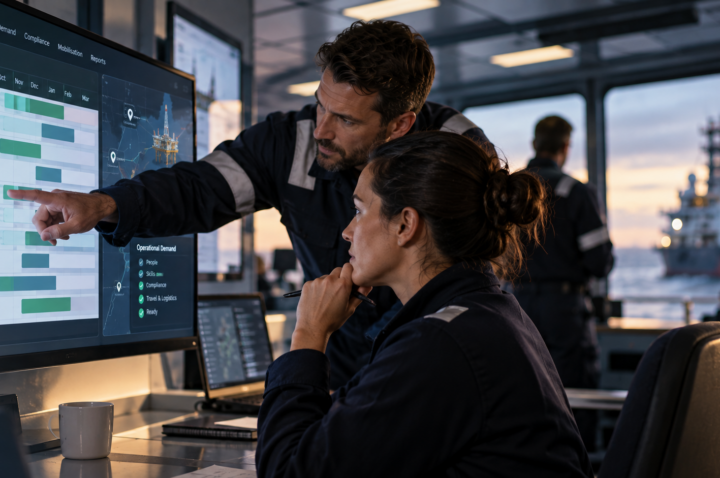
Operational readiness starts long before an asset moves, a vessel sails or a project begins. It starts with the workforce behind the plan.
An organisation can have the equipment, contracts, schedules, technology and processes required to deliver.
But if the people required to execute that plan are not available, qualified, compliant and ready at the point of need, the operation is not truly ready.
This is why workforce readiness and operational readiness are becoming increasingly difficult to separate.
The workforce is part of the operating system
Historically, workforce planning could be treated as a supporting process: operations defined the requirement and workforce teams found the people.
Today’s environment demands a closer connection.
Specialist capability is constrained. Contractor ecosystems are more complex. Project portfolios compete for the same skills. Compliance requirements shape who can be deployed and where. Priorities can change faster than traditional planning cycles.
In that environment, workforce decisions influence what the organisation can deliver, when it can deliver it and how resiliently it can respond when circumstances change.
Readiness creates operational options
The value of workforce readiness is not simply knowing who is working where.
It is understanding the implications of workforce decisions before they become operational constraints.
Do we have the capability the operation requires? Can that capability meet future demand? Is the workforce genuinely deployable? Where is the plan vulnerable if priorities change? Can leaders see those answers early enough to respond?
When those dimensions come together, workforce planning stops being only an administrative process. It becomes a source of operational intelligence.
From reactive workforce management to anticipatory decision-making
Reactive workforce management solves the gap in front of the organisation.
A readiness-led approach looks for the gap that is likely to appear next.
That distinction matters. Earlier insight creates more time for decisions, more options for planners and greater certainty for operations.
It does not remove uncertainty from a complex operating environment. It gives leaders a better chance of managing it before delivery is affected.
Where OneView fits
Workforce readiness does not come from another spreadsheet, another dashboard or another disconnected process. It comes from creating a connected operational view of the people, skills and capabilities the organisation depends on.
OneView brings workforce planning, mobilisation, compliance and operational visibility together in one platform. By connecting the information that matters across the workforce, OneView helps organisations identify constraints earlier, strengthen mobilisation planning and make better-informed workforce decisions in the context of operational demand.
The objective is bigger than better workforce administration.
It is to create a stronger connection between people decisions and operational outcomes – helping organisations move from reacting to workforce issues to building readiness into the way they plan and deliver.
The outcome is operational confidence
Offshore and maritime organisations will continue investing in recruitment, training, technology and workforce development. Those investments matter.
The bigger test is how effectively the organisation can turn the workforce it has into the operational capability it needs.
Because workforce readiness is not the end goal.
Operational readiness is.
And the organisations able to see constraints earlier, plan around capability and mobilise with greater certainty will be better positioned to deliver when it matters most.
How ready is your organisation?
If these issues resonate, the next step does not need to be a product demonstration. A complimentary Workforce Readiness Review is a collaborative conversation about your current approach, where readiness gaps may exist and where stronger visibility could support planning, mobilisation and operational resilience.