
From Chaos to Control: Unifying Offshore Engineering Through Workforce Management

Offshore workforce management has never been more complex or more critical.
Offshore engineering organizations operate in one of the world’s most demanding environments, balancing global projects, safety-critical work, strict regulatory compliance, and persistent skills shortages. Coordinating people, vessels, equipment, and schedules across international waters is a formidable challenge, where a single misstep can lead to delays, cost overruns, or compliance risk.
In this environment, offshore scheduling and resource management is no longer a back-office function. It is a strategic capability.
Bringing together remote operations and people is easier said than done. Lee Clarke, OneView Director at RLDatix, reveals how the unifying power of Workforce Management technology addresses the top six challenges facing offshore organizations today
Bringing together people and resources on-and-offshore to deliver huge, complex projects on time and on budget involves many different processes. Think of it like a very big jigsaw puzzle: including ensuring there are enough skilled workers available, scheduling them in a timely manner, preparing them for travel, check-in/embarkation and paying them correctly using the right tax code as vessels and barging move across international waters. Then making sure specialist equipment is well-maintained and in the right location, safety training is completed, the list is endless. One missing piece can throw everything into disarray. It’s a massive feat of end-to-end organizational planning.
The end goal is to reach optimal levels of both staffing and other resources, all the while containing costs and ensuring regulatory and safety compliance. All too frequently however, the information overload involved in creating a joined-up approach to managing international crews, complex equipment and projects is overwhelming. How do offshore companies confront today’s challenging environment head on and flourish?
There are six ways in which Workforce Management (WFM) has the power to unify and galvanize the whole organization to embrace operational, regulatory and wider industry changes with confidence.
Six challenges, one solution
Modern offshore workforce management software provides a single, integrated platform to address the industry’s most pressing challenges:
- Offshore compliance management – Ensuring compliance with international offshore safety legislation is non-negotiable, yet historically complex and resource-intensive. Advanced workforce management systems provide real-time visibility into certifications, training, and regulatory requirements, automatically alerting organizations to compliance risks and maintaining a robust audit trail.
Today’s regulators expect continuous compliance visibility, not retrospective reporting.
- Optimal Offshore Workforce Scheduling & Resourcing– Knowing who is available, where they are, and what they are qualified to do is fundamental to offshore success. Modern WFM platforms centralize workforce, vessel, and equipment data, enabling accurate scheduling and cost-effective resource allocation. Scenario planning tools allow organizations to model demand against budgets and compliance before committing resources.
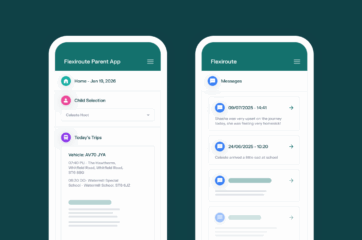
- Staff Engagement – is a top priority. Build trust by creating flexible schedules that take into consideration staff skills and certifications, travel requirements and visas, personal preferences, holidays and training commitments. Self-service functionality can empower crew with easy to access to up-to-date schedules and the option to request shift swaps or book time off.
- Change Readiness in Offshore engineering– Whether driven by regulatory change, market consolidation, or operational disruption, change is constant in offshore engineering. Organizations that thrive are those with visibility and agility. Workforce management systems provide enterprise-wide insight into workforce demand and capacity, supported by analytics that enable faster, better-informed decisions..
- Nuanced Scheduling Implications – are other activities such as ‘time to invoice’ that are an important part of the overall resource optimization process. Through automation and integration with important business applications, WFM solutions can improve the invoicing process by reducing the time and effort required to compile and generate accurate invoices that reflect specific project codes, work types, pay rates and different tax jurisdictions.
- Systems Interfacing – the latest WFM solutions draw together core scheduling, resource optimization and allied activities contained in HR or ERP systems to present a singular, unified view for managers. However, rather than bolt together existing systems that might not be the most appropriate, it enables the best available solution to be deployed. Being delivered on a Software-as-a-Service (SaaS) basis, the right solution can overcome many of the financial barriers associated with capital purchase, as well as the IT implementation and management challenges resulting from an on-premise infrastructure.
Offshore engineering organizations that embrace modern workforce management solutions gain more than operational efficiency. They build safer operations, improve compliance confidence, and create the agility needed to succeed in a rapidly evolving industry.
To learn how offshore workforce management software can help your organization streamline scheduling, improve compliance, and prepare for change, contact RLDatix via our website or email [email protected]
| Author: Lee Clarke is OneView Director at RLDatix With 30 years in the software industry—including 28 years at RLDatix—Lee has led the development and implementation of Workforce Management solutions across the Maritime, Engineering, and Defence sectors. His diverse roles provide a deep, practical understanding of the workforce planning challenges faced by customers. |  |